
The Ultimate Guide to Fasting – Benefits, Methods, and Science
Fasting isn’t just another wellness trend – it’s a scientifically proven method for detoxification, cellular repair, and longevity.
As an anti-aging coach, I believe I’d be negligent if I didn’t share this powerful practice with you. While there are countless trending diets claiming to detoxify through foods, juices, herbs, and vitamins, fasting stands alone as the mother of all detoxes, backed by scientific evidence for its ability to clear toxins, create stem cells, and increase human growth hormone (HGH).
Let me be clear – I’m not talking about drinking juice and jello all day. I mean zero calories. Before you stop reading, let me share something personal: I once declared you’d NEVER see me fasting willingly. Yet here I am, having practiced fasting for over 10 years, and it’s transformed my life in countless positive ways.
What Makes Fasting Different?
Fasting isn’t a diet – it’s a discipline, a practice similar to the other programs here at AJ McDee’s website. While I’m not requiring it as part of your program (it’s a very personal decision), I encourage you to consider it. Our DNA is literally programmed for this process, and your body knows exactly how to respond.
Nearly every culture and religion throughout history has observed cycles of feasting and fasting. However, we Americans have been programmed differently. Marketing from corporate giants has convinced us that missing a meal or skipping a snack will lead to disaster. This simply isn’t true!
The Science Behind Fasting
Your body has seven systems, and the digestive system uses an enormous amount of energy to process what we eat. When we rest this system through fasting, the other six systems receive more attention and energy:
- Respiratory system
- Reproductive system
- Skeletomuscular system
- Nervous system
- Integumentary (skin) system
- Endocrine system (hormones)
This is why fasting can help address various health concerns, from benign tumors and asthma to thyroid imbalances and cognitive decline.
Common Concerns About Fasting
The biggest concern people have about fasting is hunger. Here’s the fascinating truth: hunger isn’t constant – it comes in waves, triggered by a hormone called ghrelin. During fasting, these waves typically only last the first day or two. After 24 hours, your body often stops producing ghrelin entirely until you eat again.
Who Can Fast?
Fasting is accessible to most people, but there are important exceptions:
- People with a history of eating disorders
- Those who are malnourished
- Children under 18
- Pregnant or breastfeeding women
The following groups should consult a doctor before fasting:
- People with gout
- Those taking medications
- Individuals with Type 1 or 2 diabetes
- People with gastro-esophageal reflux disease
What to Consume During a Fast
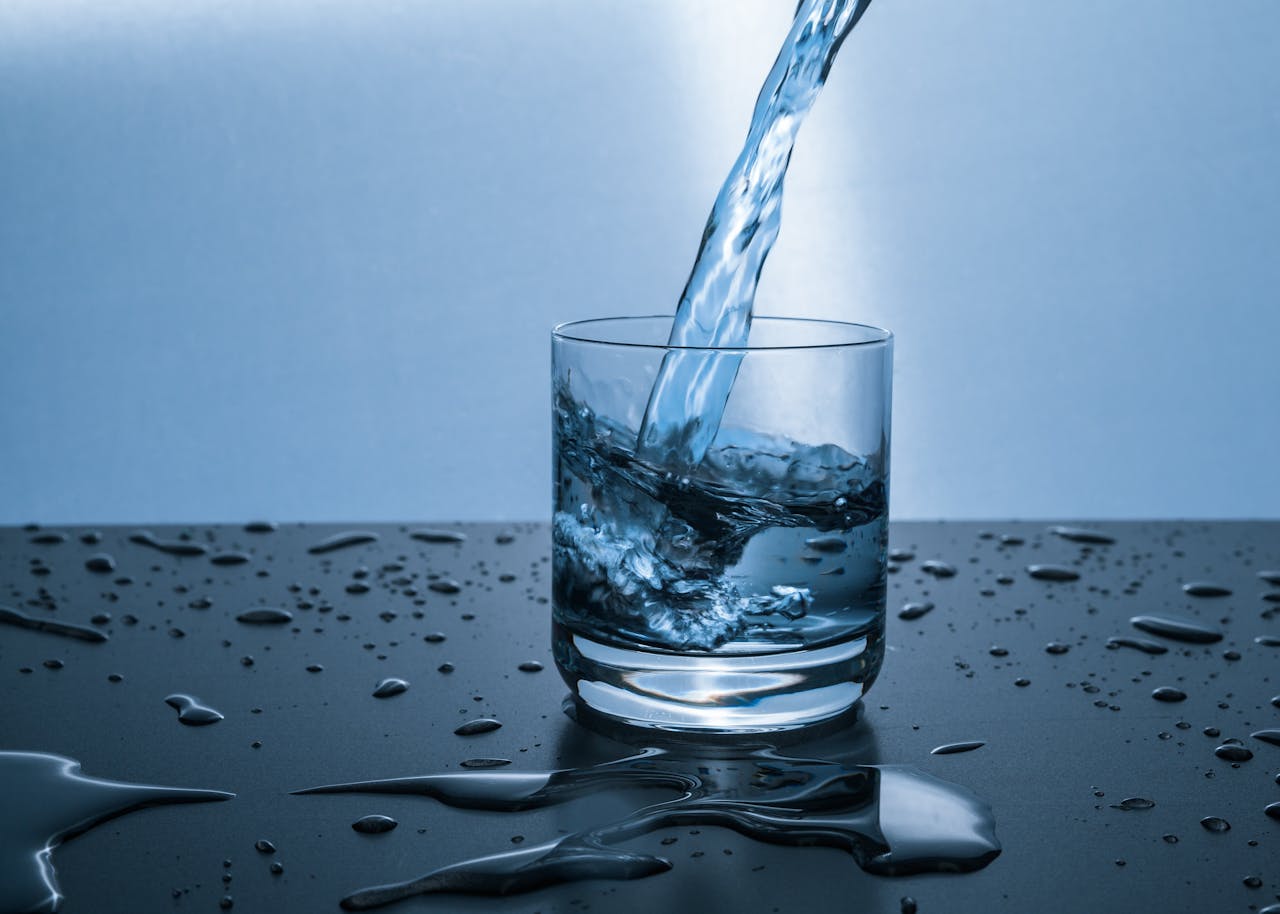
- Water (clean, filtered – avoid chlorinated)
- Optional additions:
- Lemon/lime squeeze
- Apple cider vinegar splash
- Zero-calorie herbal teas
- Black coffee
For intermittent fasting, you might include:
- Bone broth (preferably homemade)
- Small amount of full-fat heavy cream in coffee
The Magic of Autophagy, Stem Cells & HGH
During fasting, your body initiates several remarkable processes:
- Autophagy: Your body intelligently “eats” unnecessary cellular components while preserving valuable tissues
- Stem Cell Production: Fasting is the only known natural way to create and use our own stem cells
- HGH Increase: Natural human growth hormone production rises, benefiting everything from brain function to bone density
How to Start Fasting
Start small and build up:
- 12-hour fast
- 24-hour fast
- 36-hour fast
- 48-hour fast
- 72-hour fast
Choose timing that works for you:
- Weekly 24-hour fast (dinner to dinner)
- Monthly 48-hour fast
- Seasonal 3-4 day fast
Breaking Your Fast Safely
Think of breaking a fast like moving back into a freshly cleaned house – you want to maintain that cleanliness. Start with easily digestible foods:
- First 3 days:
- Watermelon
- Banana
- Avocado
- Oranges
- Puréed vegetable soups
- Light salads
- Days 4-5:
- Begin adding animal proteins
- Wait on eggs (they can be challenging post-fast)
A Personal Note
Okay, so I have a little surprise for you here at the end of this article. Six years ago just after my 41st birthday, I gifted myself my very first extendedfast. I don’t have many health ‘problems’ but I do have endometriosis, which is a problem in and around the female reproductive organs.
So I decided to do a medically advantageous 10 day water only fast! I had been practicing shorter fasts for a couple years… and I was under a doctors care… but I took a photo of my face everyday without makeup on and I put together this time lapse…the results were amazing.
I think you’ll be interested to see the changes for its anti-aging effects: enjoy and I wish you a journey of comfortable fasting.
Remember, fasting is a powerful tool for transformation, but it’s essential to approach it wisely and listen to your body. Start slowly, stay hydrated, and consider working with a fasting coach for extended fasts over 3-4 days.
Best, AJ McDee

