
Why You Need a Cheat Meal in Your Healthy Diet Plan
Cheater, cheater, pumpkin (pie) eater… or maybe you’re more of a cupcake fan, pizza lover, or hamburger enthusiast?
Don’t worry – I mean this in the nicest way possible! 😉
Having a planned cheat meal (or “flex meal” as I like to call it) is actually crucial when you’re adhering to a new diet. After all, behavior change is one of the biggest challenges we can take on as humans.
Let’s consider what the word “flexible” really means: “to easily return to its original shape.” Now, we don’t want our ‘new’ diet returning to its original form – that would mean reverting to old patterns that could sabotage our goals! Instead, think of your cheat meal as a way of establishing a new pattern that gives you the opportunity to ‘live a little’ in your familiar ways while creating a NEW eating pattern that will actually stick.
When your new way of eating becomes a lifestyle (and it will with consistency and time), you’ll inevitably face situations where you need to be flexible. Think about weddings, vacations, birthdays, holidays, and gatherings with family and friends – these are times when we should participate in eating and drinking in a celebratory way.
But here’s the key: if we don’t intentionally practice deviating from our strict eating plan and quickly returning to it, we risk unintentionally caving in a moment of weakness and binging with reckless abandon.
Let me share a success story: 👇
I had a client who lost over a hundred pounds, and every Saturday morning he went to the mall to buy soft pretzel bites. This was his designated cheat meal every week, and he did it for years. I wouldn’t be surprised if he’s still maintaining this routine today. It became a sustainable part of his lifestyle and contributed significantly to his success.
So, let’s break down the Do’s and Don’ts of planning your cheat meal:
✅ Do:
- Pre-plan your cheat meal – really look forward to what you’ll eat, where you’ll enjoy it, and who you’ll share it with
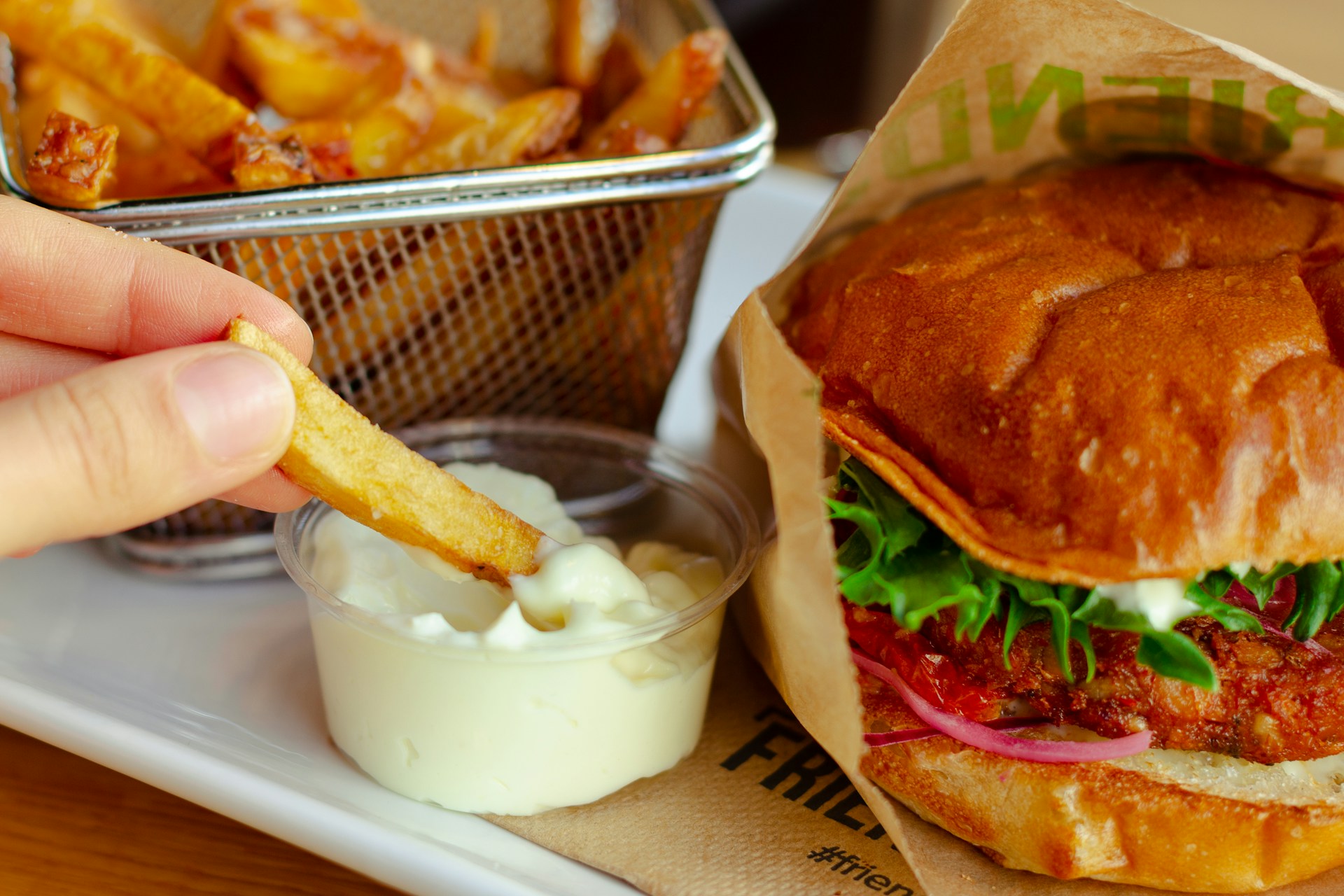
- Keep it to one single item (for example, a cheeseburger with a side of broccoli and water)
- Take your time and truly savor every bite of your chosen treat
❌ Don’t:
- Make impulsive decisions that rob you of the anticipation and planning
- Let it expand into an entire cheat day
- Binge on multiple items too quickly (like having a hamburger, fries, milkshake, AND apple pie – your body will need days to recover from such an assault)
- Feel guilty about your cheat meal or eat it so quickly that it feels unsatisfying and leaves you craving more
Looking ahead to your future of flexible eating: Once you reach your maintenance phase, cheat meals can become more frequent, provided you’re truly maintaining your results and your measurements support it. A good rule of thumb is staying on your regular eating plan 90% of the time during maintenance.
You might be surprised to discover that your taste preferences actually change over time. Many of my clients find themselves craving healthier options for their cheat meals instead of the high-saturated fat or sugary foods they used to love. It’s a process, but trust me – this shift happens more often than you might think!
One final tip: Remember that for every gram of carbohydrates you consume, your body holds onto nearly three grams of water. So don’t panic if you see a substantial gain on the scale the day after your cheat meal. Drink extra water to help flush out the retention, and trust that your weight will normalize once your body metabolizes those extra carbs.
Your cheat meal should be an enjoyable part of your healthy lifestyle, not a source of stress or guilt. When planned properly, it can actually help you stay on track and achieve long-term success in your health journey.
Best, AJ McDee

